
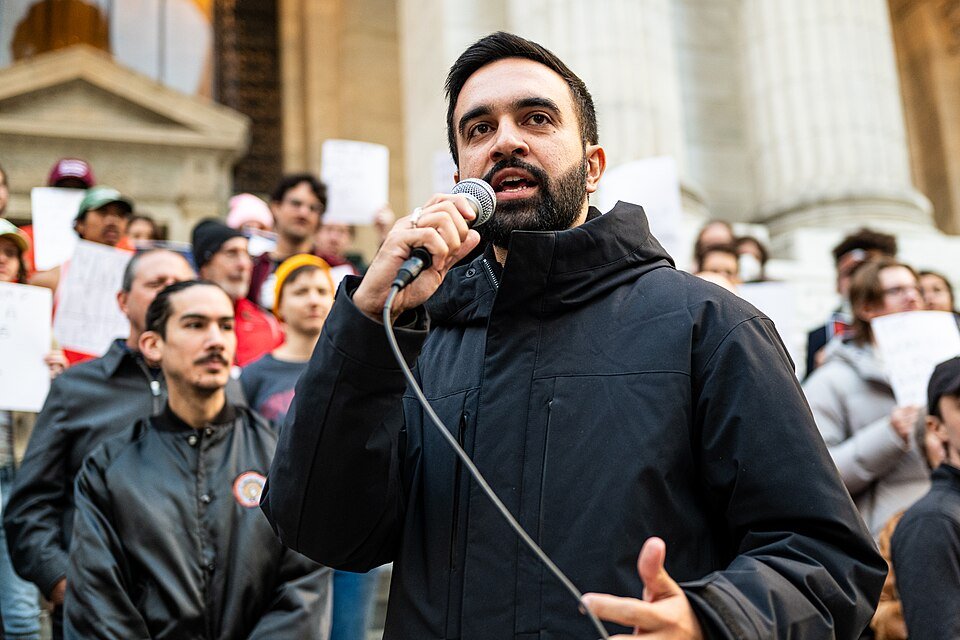
In a significant development, Zohran Mamdani was elected as the Mayor of New York City on Tuesday, marking a pivotal moment for both the city and the broader narrative of diversity and progressive politics in the United States. At 34, Mamdani’s election signifies a generational and ideological shift in urban governance and representation. His ascent to the city’s highest municipal office highlights the growing influence of young, diverse leaders who challenge traditional political norms and reshape civic engagement.
Born in Uganda to South Asian parents and raised with a keen awareness of global inequality, Mamdani’s journey from community organizer to the highest municipal office in the United States’ largest city is a testament to persistence, conviction, and grassroots empowerment. His campaign prioritizes restoring power to the working class, addressing housing inequality, and ensuring that public resources serve those in need.
Mamdani’s victory is noteworthy on several fronts. He is New York’s first Muslim mayor, the first of South Asian heritage, and the first African-born leader of the city. These elections signify a profound shift in American politics, one that not only acknowledging and celebrating the invaluable contributions and dreams of historically marginalized communities. By accomplishing what many deemed impossible, Mamdani exemplified a visionary leadership that was not only inclusive and globally aware but also deeply committed to social justice. This is the leadership required to drive meaningful change and create a more equitable society for all.
Mamdani’s victory over well-known political figures like former Governor Andrew Cuomo and Republican Curtis Sliwa shows how powerful a campaign can be when it combines bold policy ideas with strong grassroots support. His message struck a chord with younger voters, immigrant families, and working-class communities who were fed up with political stagnation and felt that there were unfair practices in governance. By doing this, Mamdani not only achieved a historic win but also changed the game for what is considered politically possible in a city traditionally controlled by established power structures.
However, despite these accomplishments, significant challenges remain. As mayor, Mamdani will face the complex task of managing a city with a population exceeding eight million, necessitating a careful balance between visionary ideals and practical execution. Critics express skepticism about the feasibility of his ambitious plans for housing, policing reform, and climate resilience within the constraints of the current institutional and fiscal frameworks. Mamdani’s success sends a powerful message to both marginalized and aspiring leaders: that through dedication, vision, and grassroots involvement, it is possible to overcome structural obstacles and create opportunities for meaningful societal change.
Zohran Mamdani’s election as mayor signifies more than a personal milestone or a routine political transition. This reflects shifting demographics, evolving political priorities, and an increasing demand for leaders who emphasize equity and social responsibility. As New Yorkers anticipate the future under his administration, the nation observes a young dynamic leader navigating the delicate balance between progressive ambition and practical governance. While the path ahead is complex, Mamdani’s victory symbolizes hope, inspiration, and renewed confidence in the transformative potential of inclusive, visionary leadership.
Image credit: Photo by Bingjiefu He, via Wikimedia Commons, licensed under CC BY-SA 4.0.